FINDINGS FROM ARBORIST REPORTS
Our pin oak trees across town are showing signs of decline, with many now in poor condition and reaching the end of their safe and healthy lifespan in the urban environment.
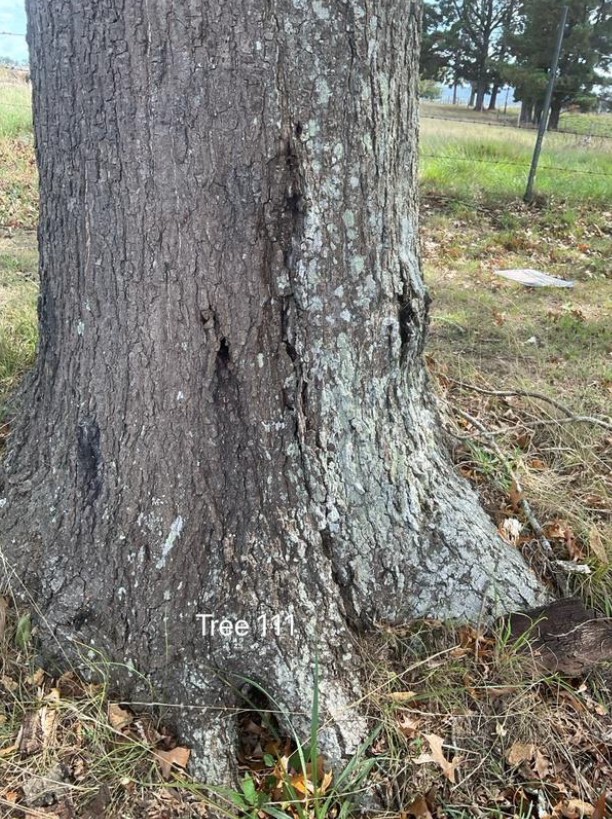
Most of our mature Pin Oaks (Quercus palustris) were planted 50–90 years ago along roadsides and footpaths in confined spaces. At the time of planting, trees were placed with limited consideration to long-term growth, root space, or protective management. Since then Tenterfield has continued to develop around the avenues of trees on our streets. As a result, many trees now have restricted root systems, poor structural development, and ongoing stress.
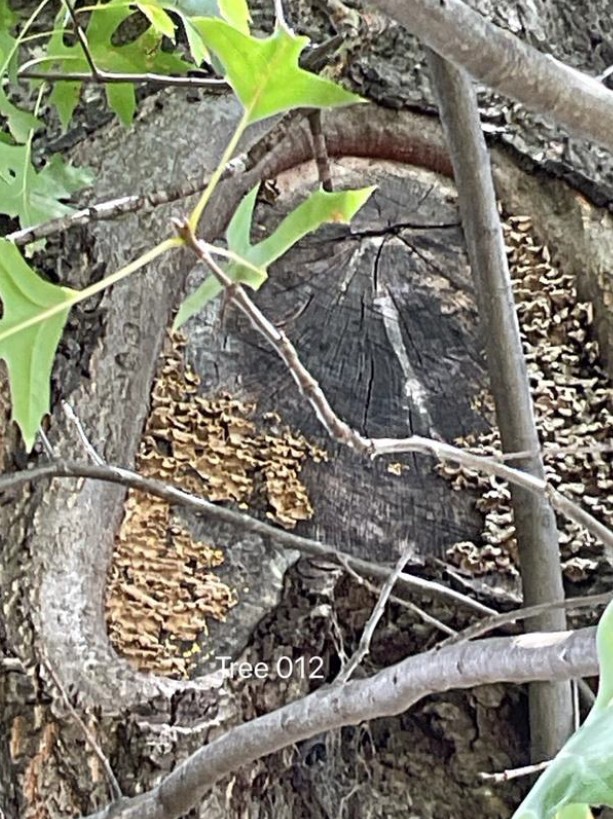
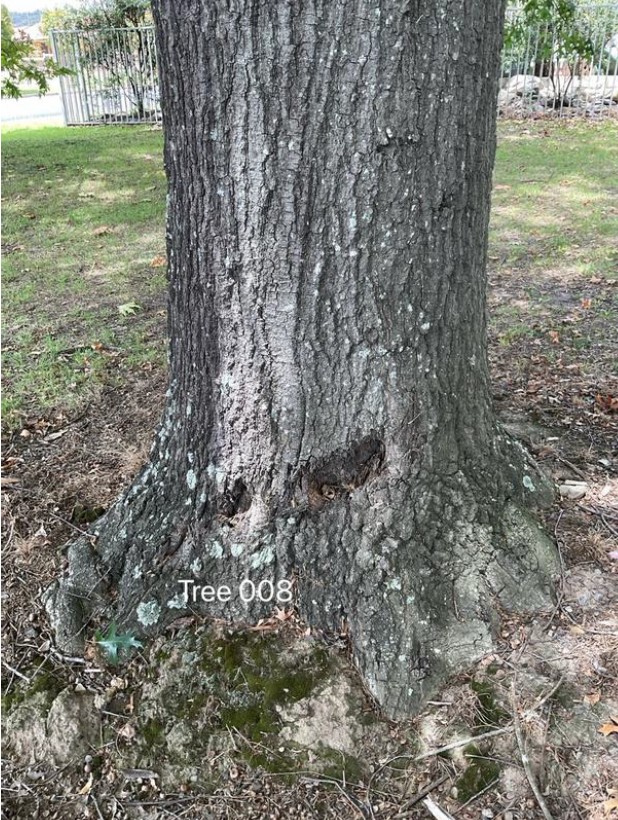
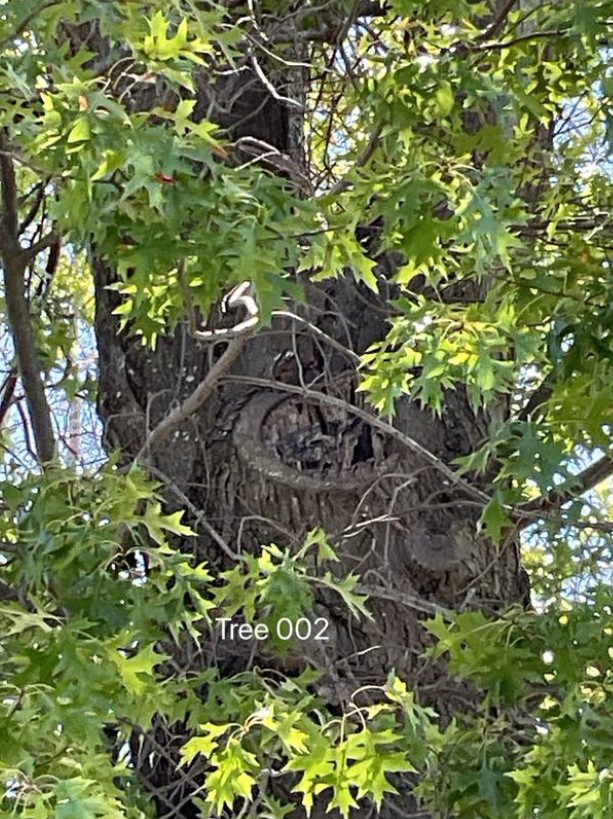
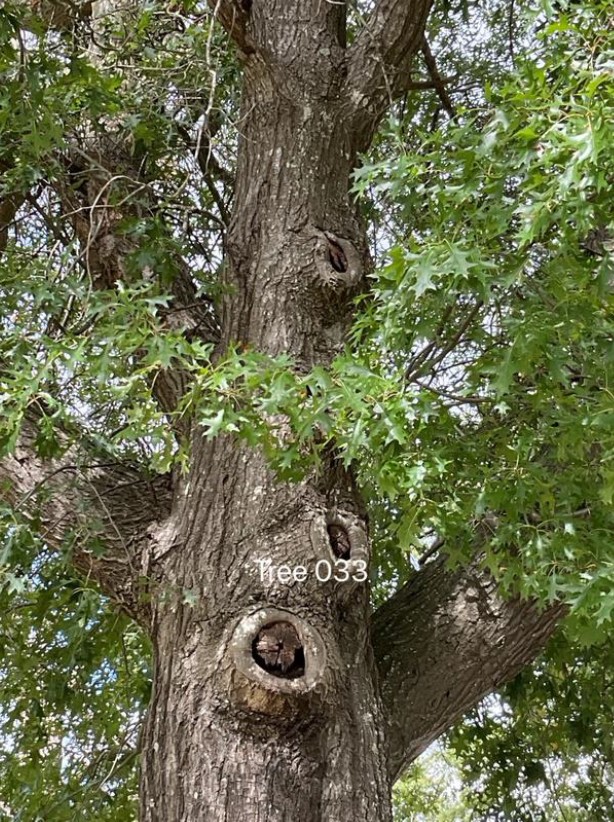
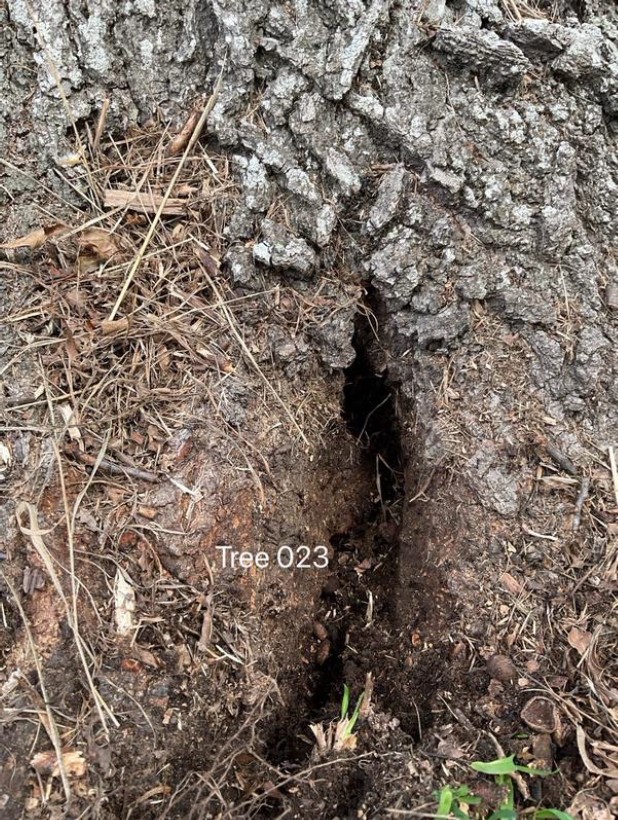
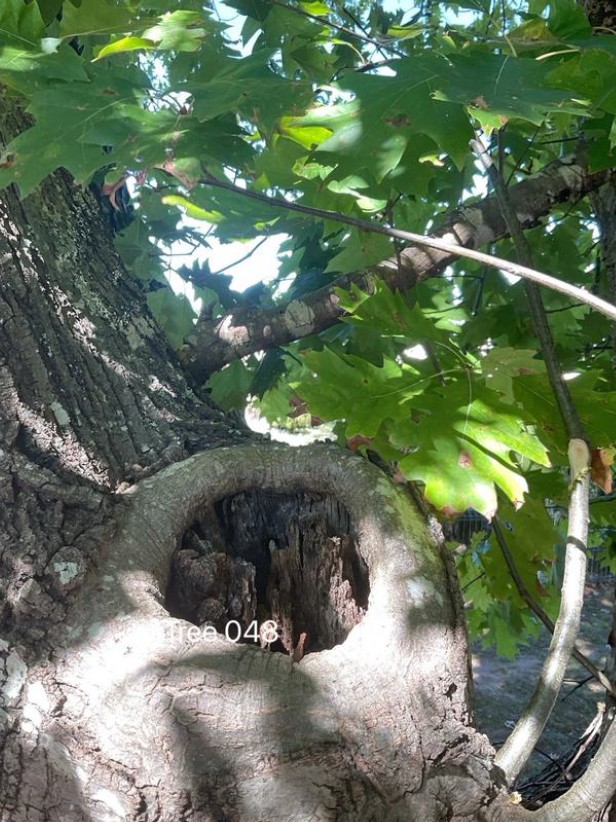
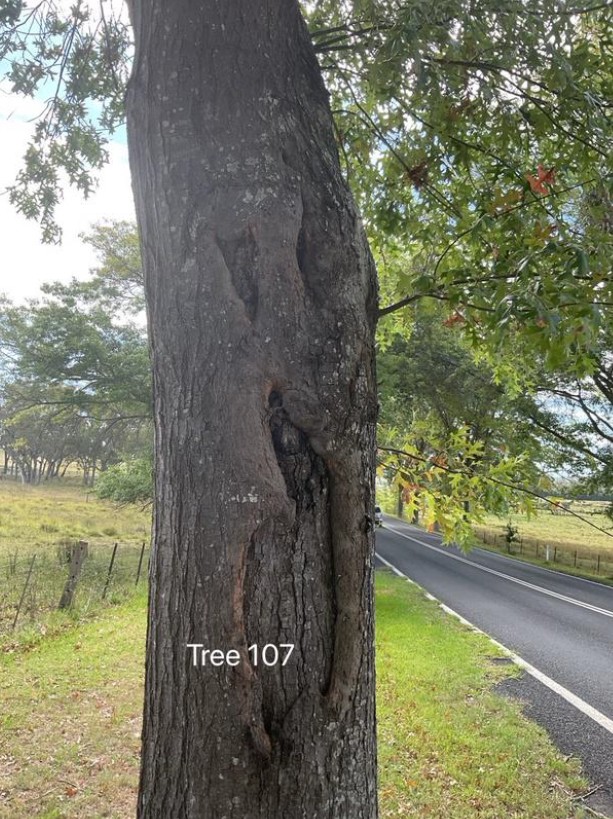
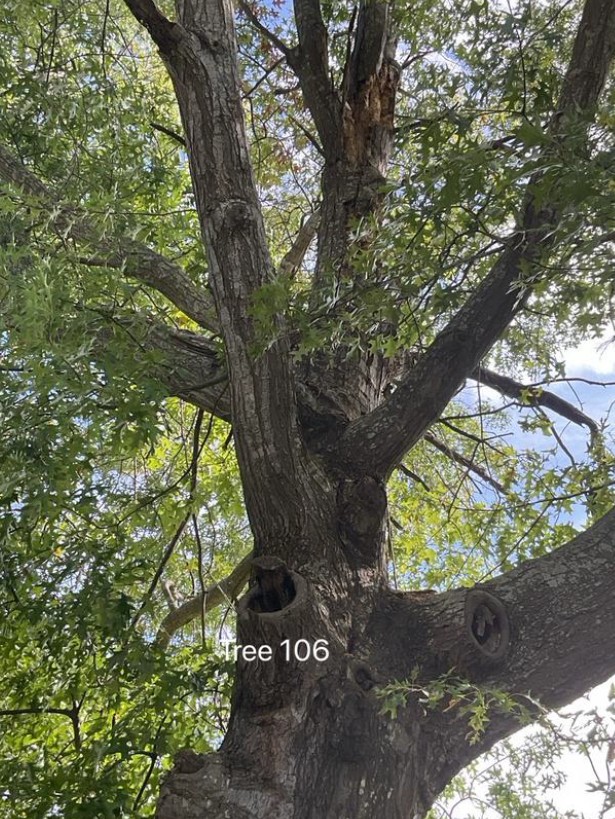
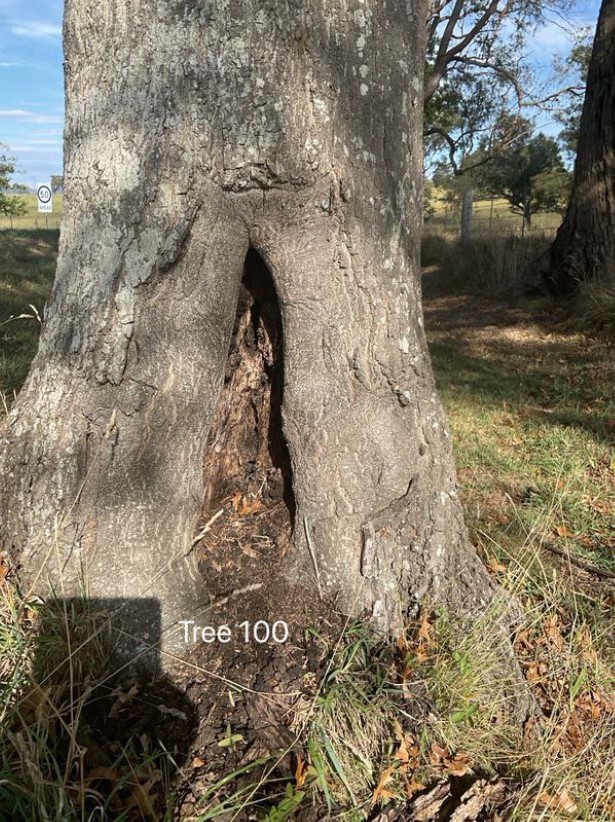
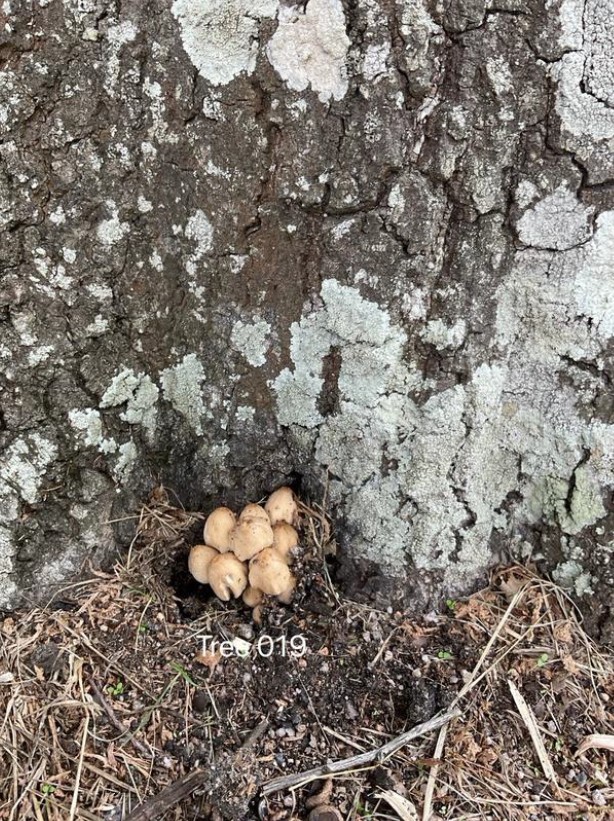
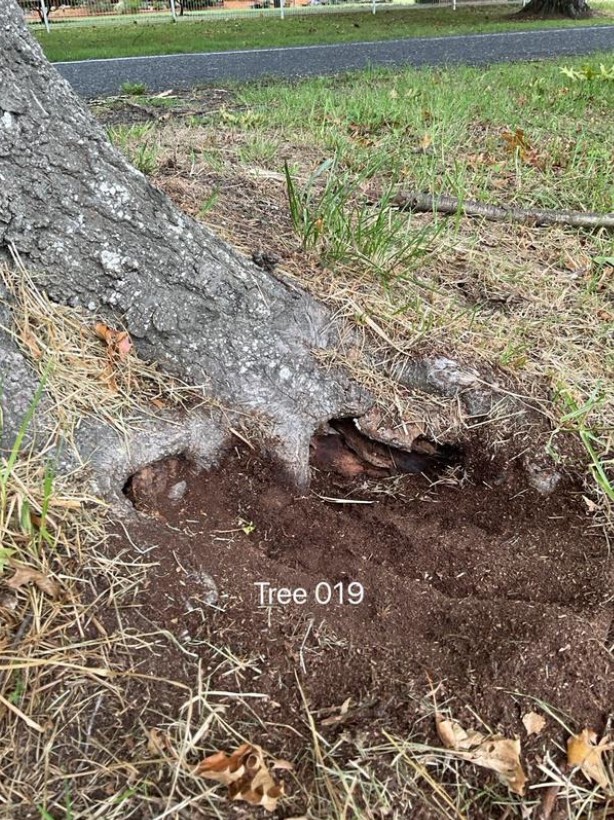
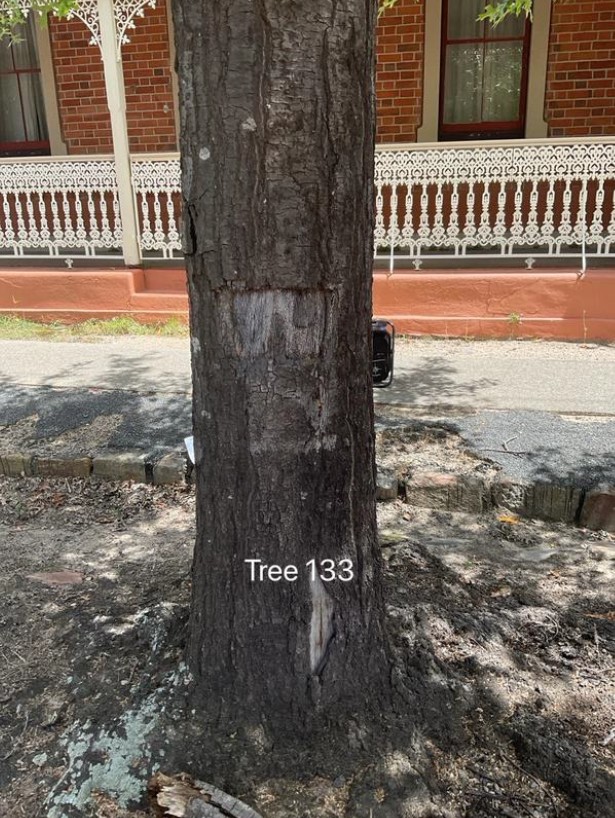
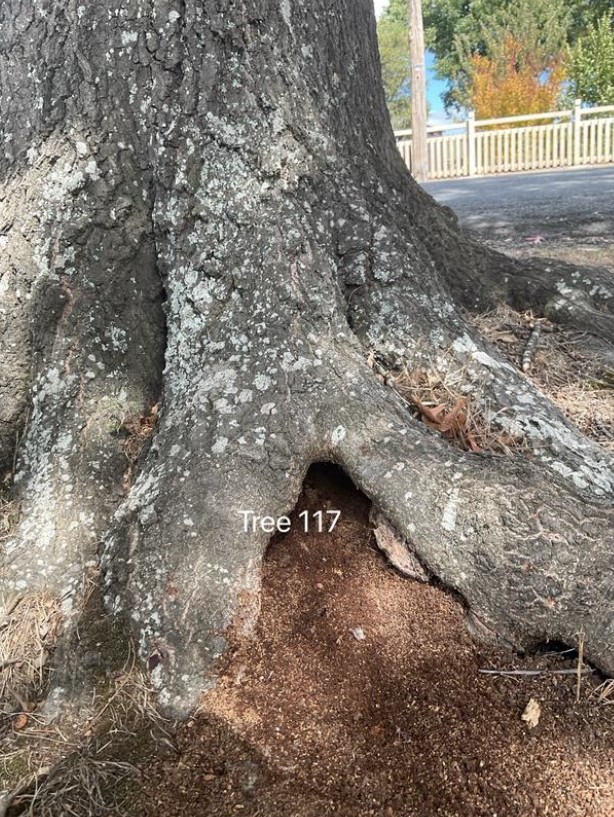
A range of factors has contributed to their decline. Past pruning practices and lack of protective measures have sometimes caused large wounds that have not properly healed, allowing pests and fungal diseases to enter the trees. These include common tree fungi such as Armillaria, Phytophthora and Ganoderma. Long periods of drought, particularly between 2012 and 2018, have also placed significant stress on the trees, making recovery more difficult.
In some cases, this ongoing decline has led to branch failures and tree damage, including during severe storms in December 2025 where several trees and limbs fell or became unsafe.
Additional trees have been identified as likely reaching their Safe & Useful Life Expectancy within the next 5–15 years. While some trees may be able to be retained in the short to medium term with careful management, many are unlikely to remain safe or healthy in the longer term. These trees will continue to be maintained and monitored.
Moving forward, the focus will be on keeping the community safe, managing higher-risk trees, and planning for thoughtful replacement planting. Future plantings will use suitable tree species (either pin oaks or similar species) with enough space to grow properly, helping ensure healthier, safer and longer-living trees in our streets.
FURTHER INFORMATION
Our trees are facing a few naturally occurring diseases that live in the soil and timber, like Phytophthora Dieback, Armillaria Root Rot and Ganoderma Fungus.
Phytophthora Dieback (a soil-borne plant disease)
What it is:
A microscopic organism in the soil that attacks plant roots. Once a plant is infected, it cannot recover. Think of it as a “root rot disease” that travels in wet soil and stops plants from taking up water and nutrients.
How it spreads:
- Moves naturally through water and soil
- Can spread quickly when soil is moved on boots, tyres, tools or machinery
Armillaria Root Rot (a native fungus)
What it is:
A naturally occurring fungus in Australia that attacks tree roots and causes them to decay. This disease works slowly underground, weakening a tree’s roots until it can no longer survive.
What you might notice:
- Trees slowly declining over time
- Yellowing leaves
- Reduced growth
- Eventual tree death
Ganoderma (butt rot fungus)
What it is:
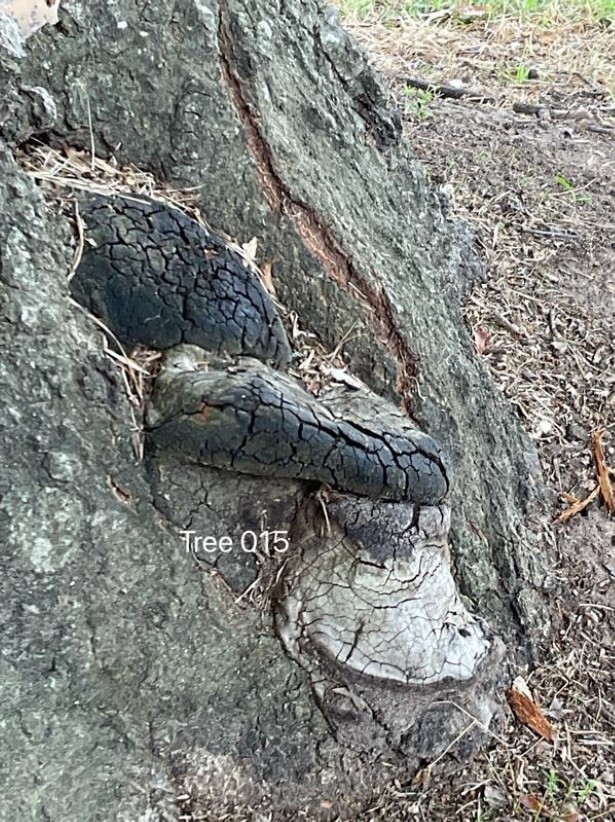
A fungus that breaks down wood inside a tree, especially at the base of the trunk. It’s like internal decay in the tree trunk, often hidden until you see the distinctive fungi on the outside.
What you might notice:
- Large, hard “shelf” or bracket fungi growing at the base of a tree
- These can grow quite big and stay on the tree for years